Building Effective AI Agents: Why Most Agent Systems Fail (And How to Build Ones That Actually Work)
Most agent systems fail because the architecture around them is badly designed. Learn why effectiveness beats autonomy every single time.

V Chaitanya Chowdari
Why Most Agent Systems Fail
AI agents are everywhere right now. Every product claims to have agents. Every startup says autonomous workflows are the future.
But here’s the thing: Most agent systems fail not because models are weak—they fail because the architecture around them is badly designed.
The real challenge isn’t making AI smarter. It’s making AI systems reliable.
What Is an AI Agent?
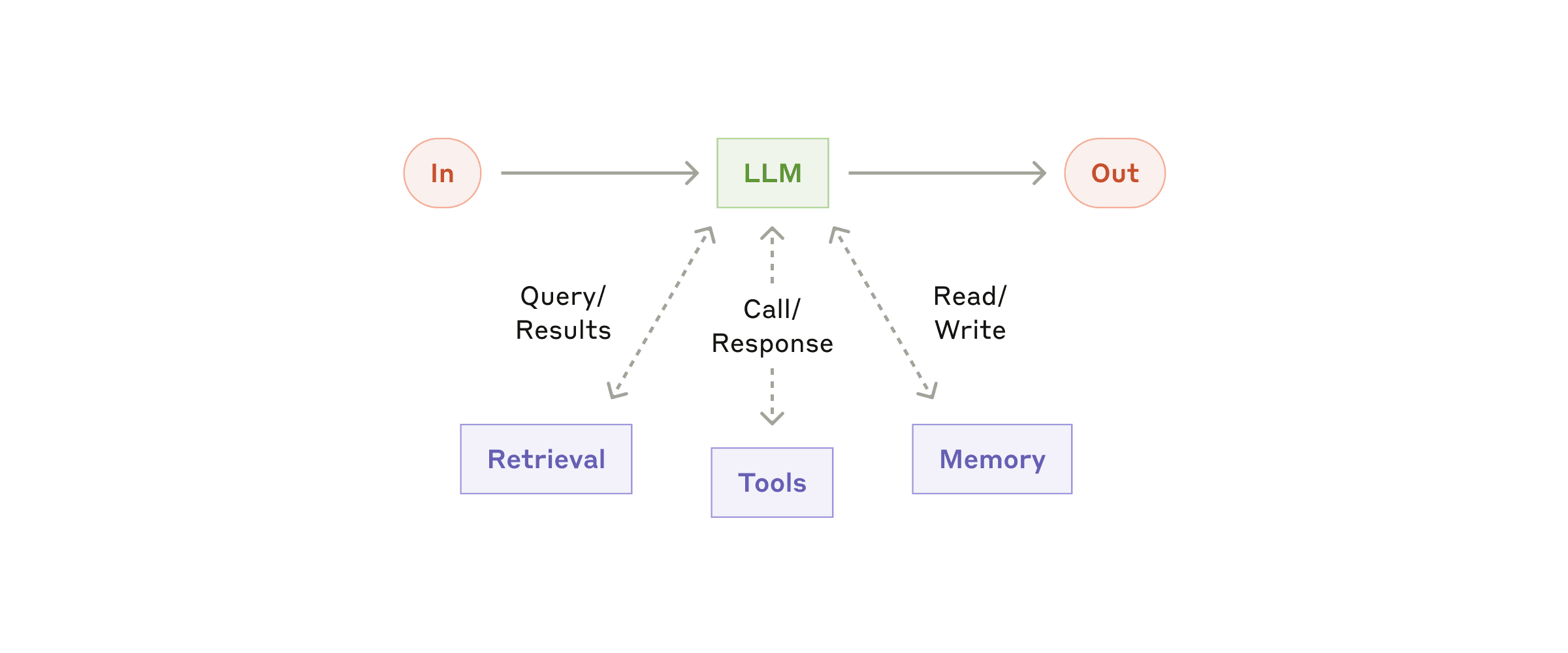
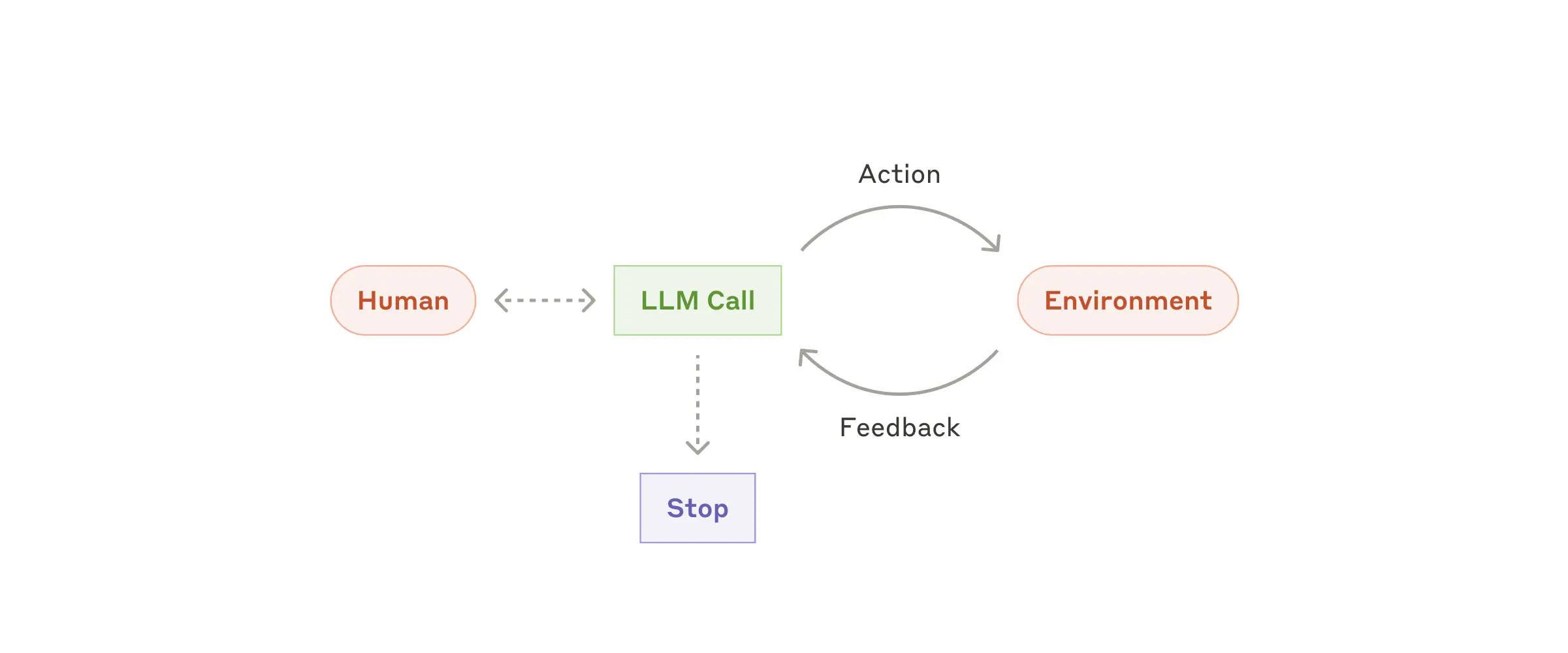
An AI agent is not just a chatbot. A real agent is a system where an LLM actively decides:
- What to do
- Which tools to use
- What information to retrieve
- When to continue / stop
- How to reach an objective
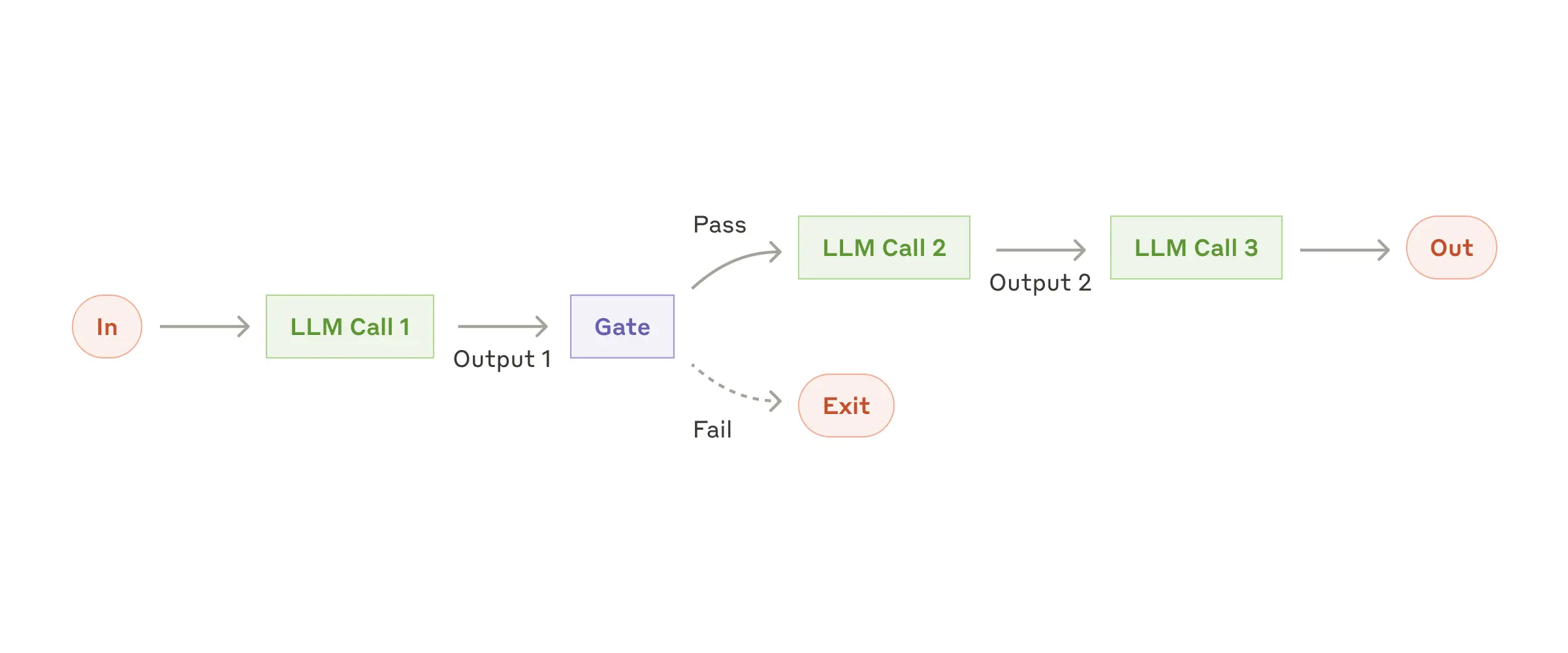
Unlike traditional workflows that follow predefined paths, agents dynamically determine execution. That flexibility unlocks powerful use cases, but it also introduces significant complexity.
⚠️ The Biggest Mistake: Using Agents for Everything
One of the strongest lessons from modern agent design: Don’t build agents unless you actually need agents.
Many problems work better with:
- Simple prompts
- Structured workflows
- API pipelines
- Deterministic automation
When do Agents make sense?
✓ Tasks are ambiguous ✓ Multiple decisions are required ✓ Context changes dynamically ✓ Human style reasoning creates value
🏗️ Workflows vs. Agents
| Feature | Workflow Systems | Agent Systems |
|---|---|---|
| Logic | Predefined paths | Dynamic execution |
| Benefits | Predictable, Cheap | Flexible, Adaptive |
| Tradeoffs | Rigid | Higher cost, complex evaluation |
🧩 Core Architecture Patterns
Effective agent design is about choosing the right pattern for the job. Here are the four foundational architectures:
1. Prompt Chaining
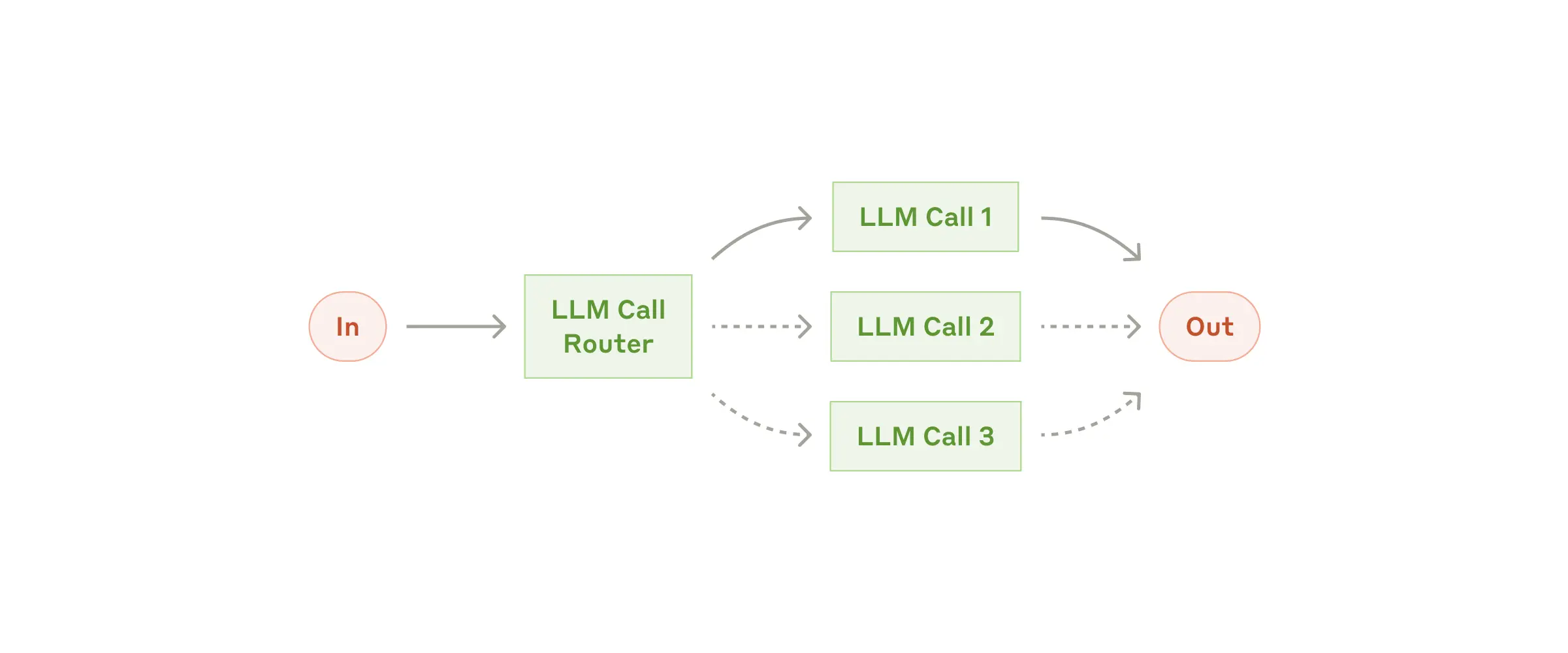 Break one complex task into smaller, predictable steps. Each step handles a specific part of the reasoning, passing its output to the next link in the chain.
2. Routing
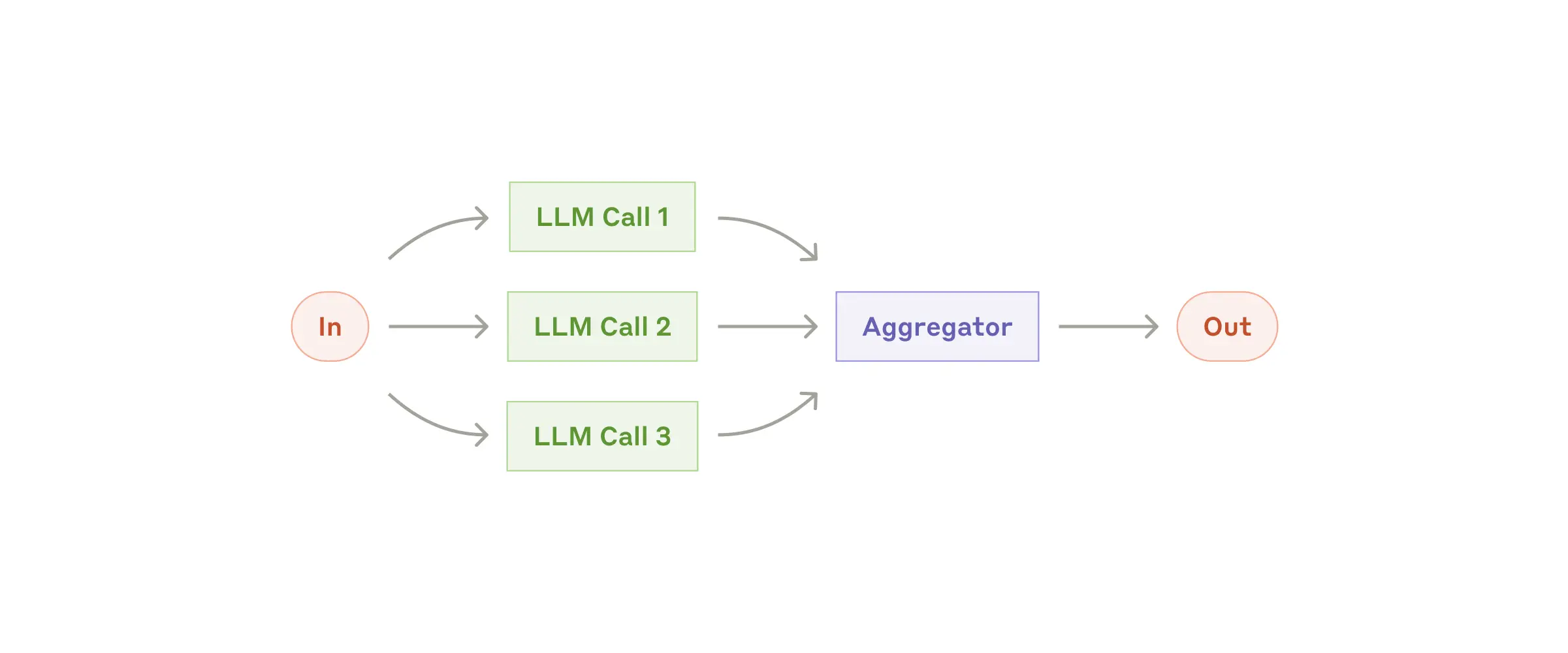 Send requests to specialized systems or sub agents. Instead of one "do it all" model, you have a router that directs queries to the expert agent best equipped to handle them.
3. Parallel Processing
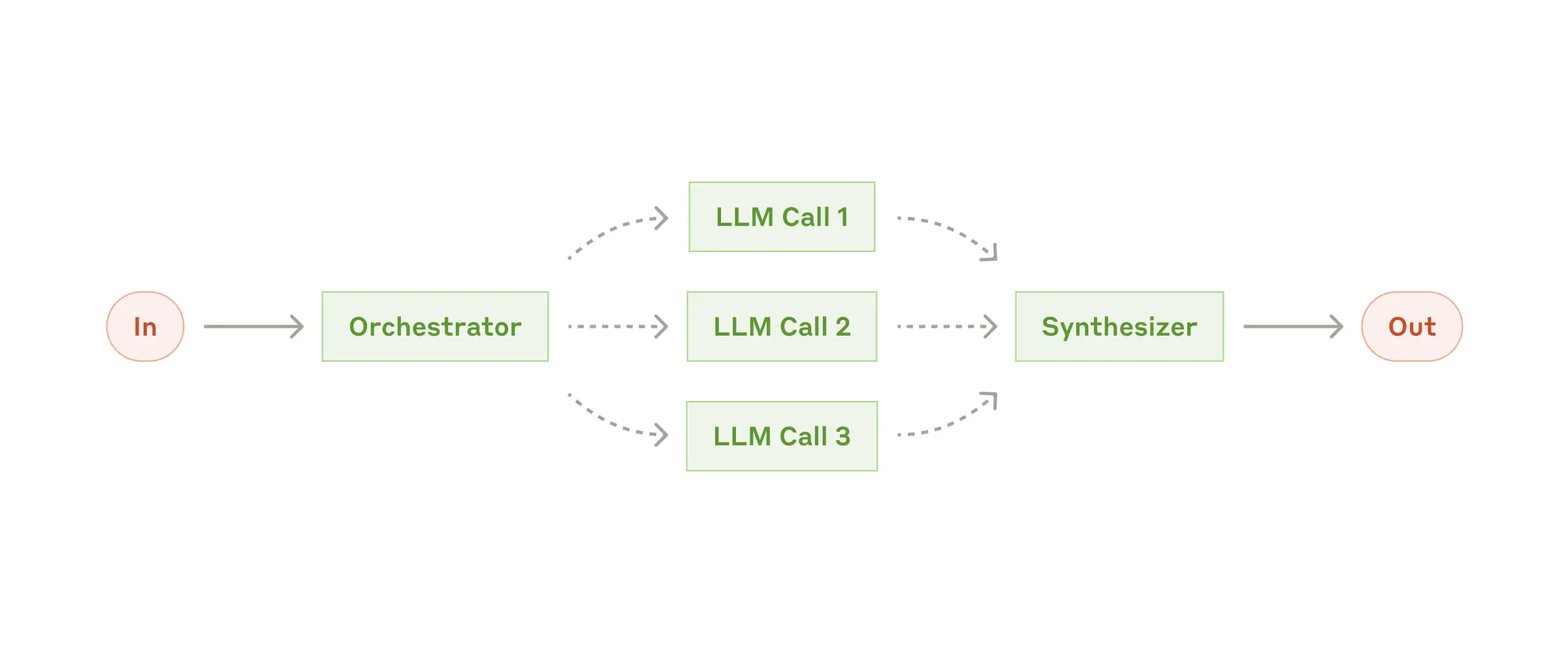 Run independent tasks simultaneously. This is critical for research and data heavy tasks where multiple lookups or computations can happen at once to reduce total latency.
4. Evaluator Optimizer
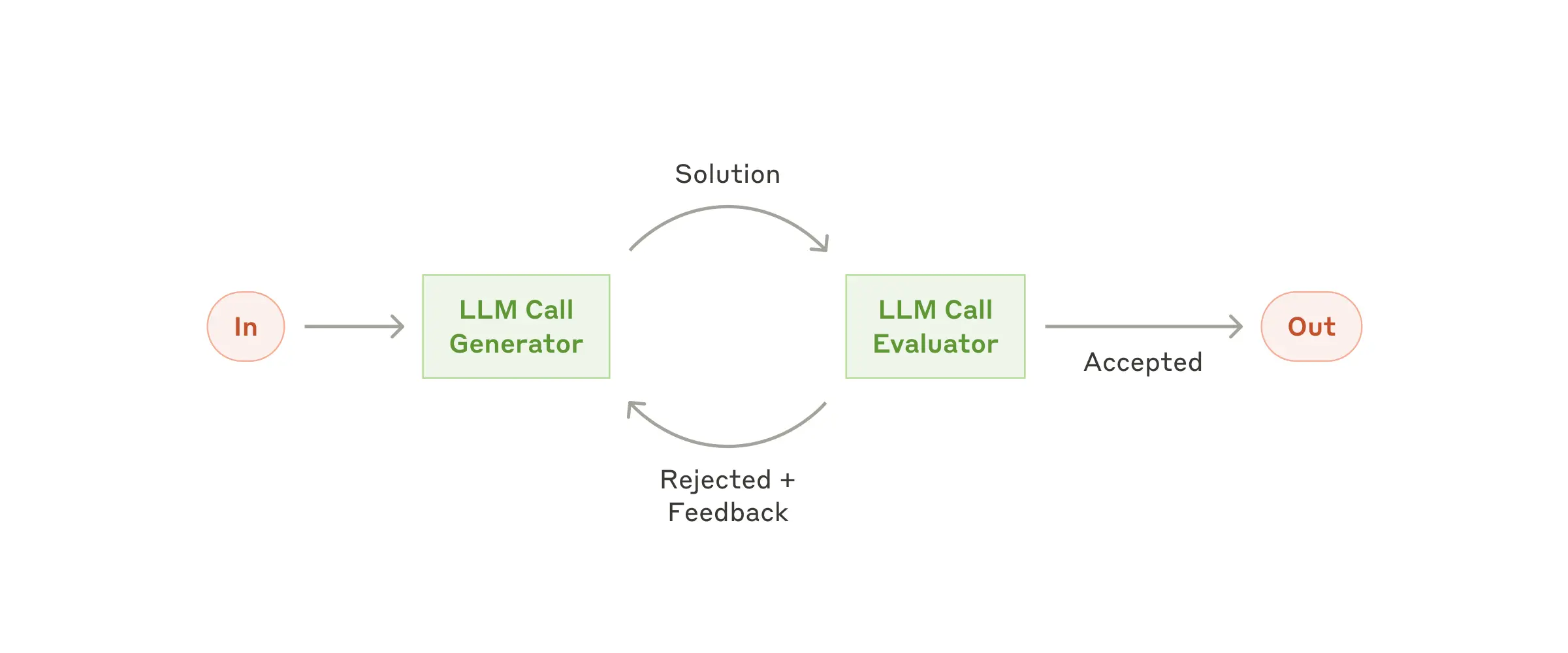 Generate, evaluate, and iteratively improve outputs. This pattern uses a second "critic" agent to review the first agent's work, providing feedback for refinements until a quality threshold is met.
🛠️ Tool Design > Model Size
People often think: Bigger model = Better agents. Reality: Better tools > Bigger models.
Good tools should:
- Have clear, unambiguous instructions.
- Return structured outputs (like JSON).
- Fail gracefully with helpful error messages.
- Reduce the reasoning leap the LLM has to make.
An average model with great tools often outperforms a powerful model with poor tooling.
🛡️ Reliability Is The Real Competitive Advantage
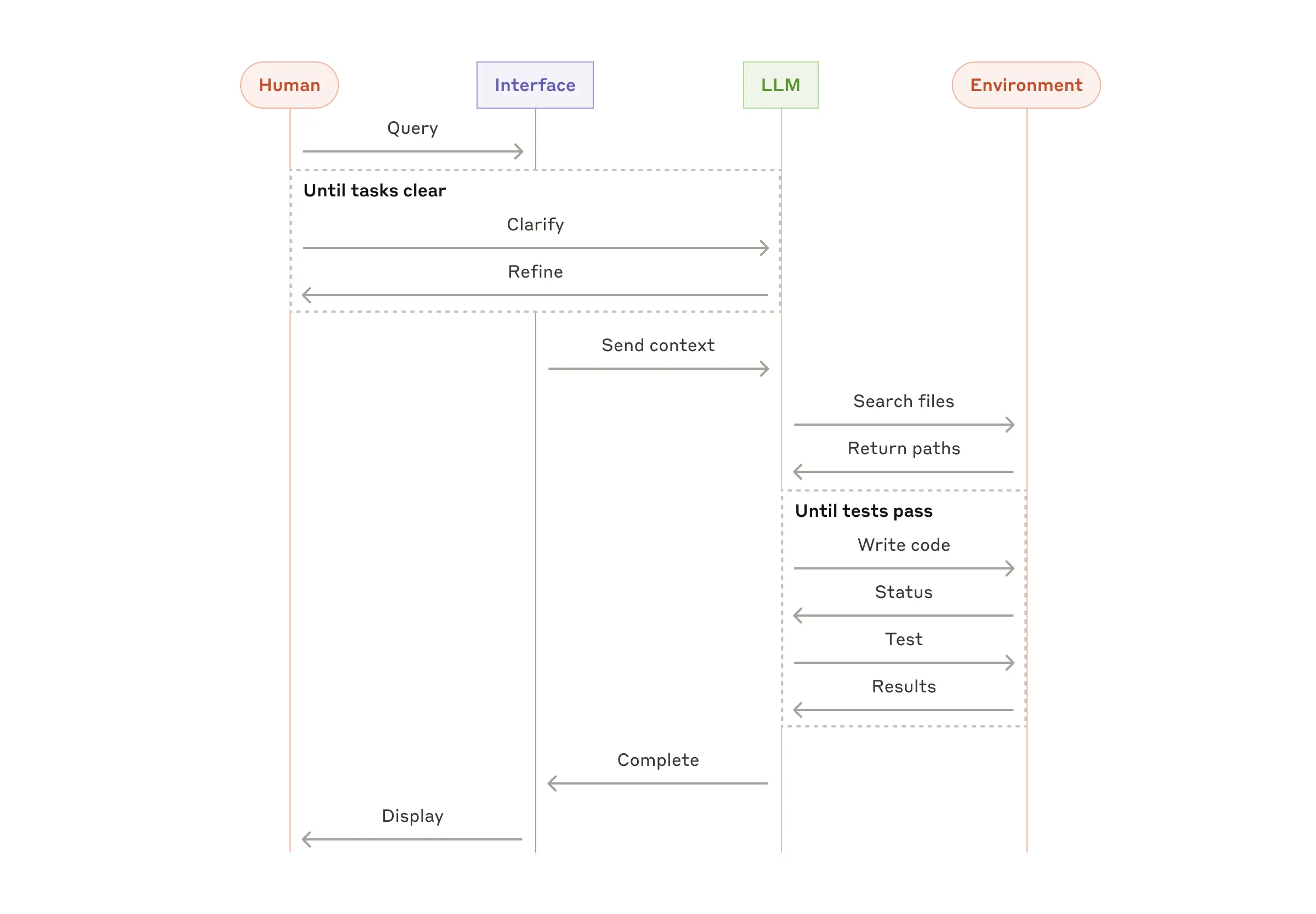
Agent systems don’t succeed because they are autonomous. They succeed because they are observable, controlled, evaluated, and recoverable.
Production ready agents require:
- Logging & Observability: Every thought, tool call, and result must be traced.
- Retry Mechanisms: Automatic recovery for transient API or tool failures.
- Human in the loop: Critical decision points that require human approval.
- Evaluation Pipelines: Automated benchmarks to measure accuracy over time.
- Cost Monitoring: Real time tracking of token usage and tool expenses.
🤝 Final Thoughts
The future isn’t thousands of autonomous agents replacing everything. The future is simpler: Small systems, clear responsibilities, well designed workflows, and reliable execution.
Build fewer agents. Build better agents. Because effectiveness beats autonomy every single time.